Home »

Archives

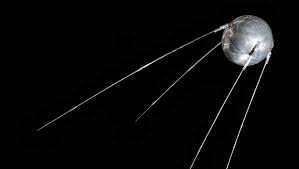
Sputnik I Satellite – The Space Launch to Start the Space Age

Sputnik 1, the first artificial satellite launched on October 4, 1957, was a 83.6-kg (184-pound) capsule. It achieved an Earth orbit with an apogee (farthest point from Earth) of 940 km (584 miles) and a perigee (nearest point) of 230 km (143 miles), circling Earth every 96 minutes and remaining in orbit until January 4, […]

Continue Reading →

Europa

Europa is one of Jupiter’s moons and it is also most probably the most important moon in the Jovian system as well as perhaps the most important natural body in the Solar System. Since decades ago science fiction writers have depicted Europa as a place which can harbor life and the oceans of Europa point […]

Continue Reading →

Space Shuttle Program

The Space Shuttle Program of NASA was one of the turning points in the mankind’s quest for space. It made manned flight become more common by having reusable spacecraft that could be used for several missions again and again. Space Shuttle Program which had its first flight on April 12, 1961 was able to make […]

Continue Reading →

Luna Moon Mission Program

  The Luna moon mission program (from the Russian word Луна “Luna” meaning “Lunar” or “Moon”), occasionally called Lunik by western media, was a series of robotic spacecraft missions sent to the Moon by the Soviet Union between 1959 and 1976. Fifteen were successful, each designed as either an orbiter or lander, and accomplished many […]

Continue Reading →

Chinese Lunar Missions

The Chinese Lunar Exploration Program (CLEP; Chinese: 中国探月; pinyin: Zhōngguó Tànyuè), also known as the Chang’e Project (Chinese: 嫦娥工程; pinyin: Cháng’é Gōngchéng) after the Chinese moon goddess Chang’e, is an ongoing series of robotic Moon missions by the China National Space Administration (CNSA). The program incorporates lunar orbiters, landers, rovers and sample return spacecraft, launched […]

Continue Reading →

Salyut Space Station

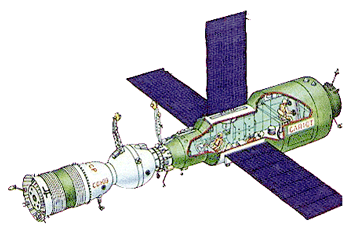
Despite an array of problems, the first space station, Salyut 1, made important progress toward living and working in space long-term and paved the way for future space stations. Launched by the Soviet Union in 1971, the port orbited the Earth almost 3,000 times during its 175 days in space before it was intentionally crashed […]

Continue Reading →

Lunar Gateway

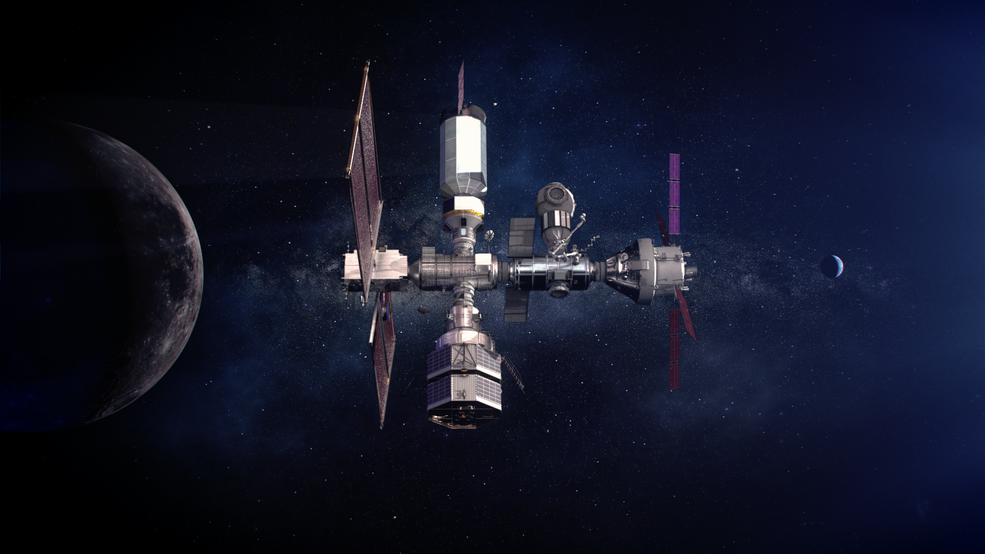
The Lunar Gateway, or simply the Gateway, is a planned small space station in lunar orbit intended to serve as a solar-powered communication hub, science laboratory, short-term habitation module, and holding area for rovers and other robots. It is expected to play a major role in NASA’s Artemis program, after 2024. While the project is […]

Continue Reading →

Space Tourism

What is Space Tourism? Space tourism is human space travel for recreational purposes. There are several different types of space tourism, including orbital, suborbital and lunar space tourism. To date, orbital space tourism has been performed only by the Russian Space Agency. Work also continues towards developing suborbital space tourism vehicles. This is being done […]

Continue Reading →

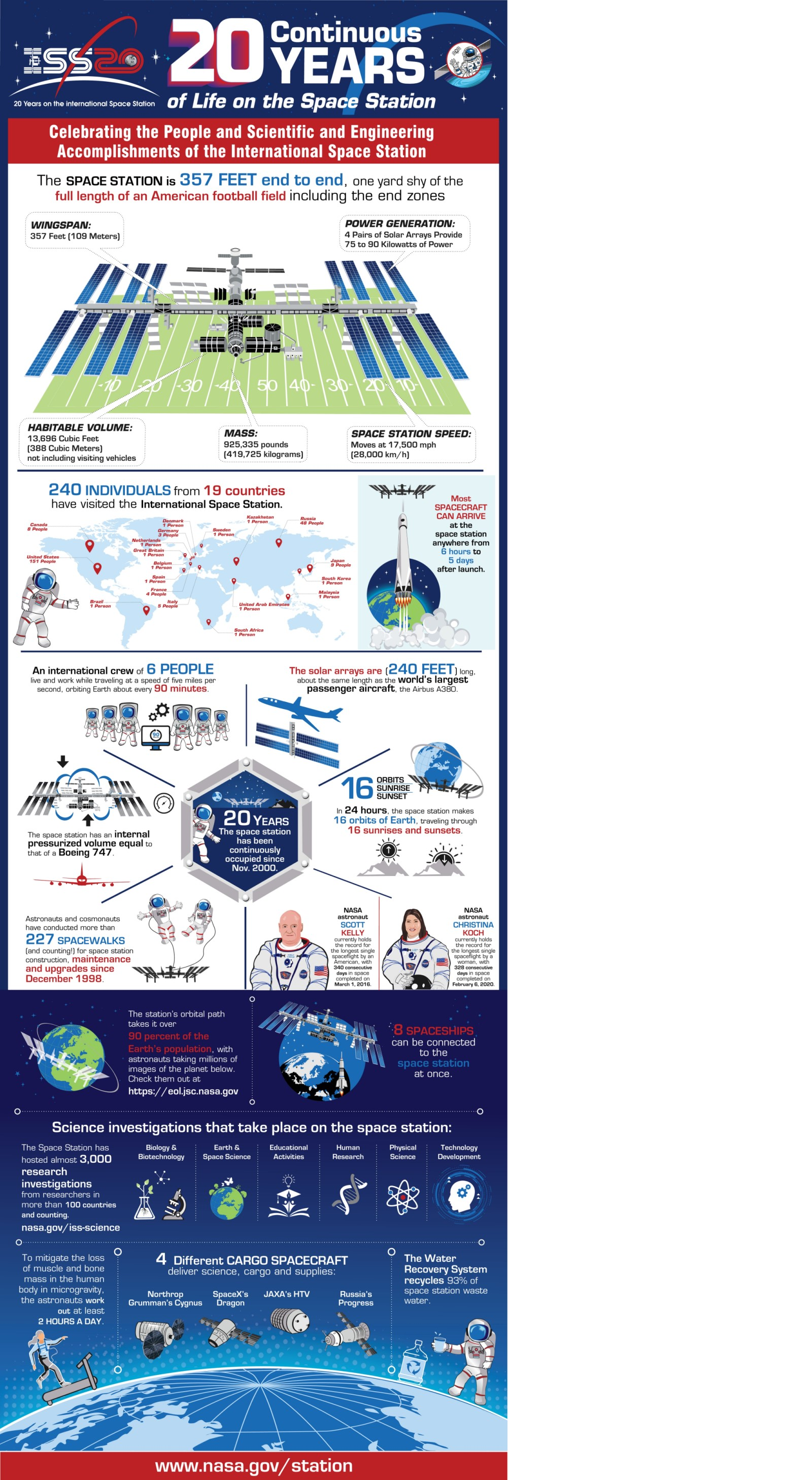
International Space Station ISS

The International Space Station is a modular space station in low Earth orbit. It is a multinational collaborative project involving five participating space agencies: NASA, Roscosmos, JAXA, ESA, and CSA. The ownership and use of the space station is established by intergovernmental treaties and agreements. The station is divided into two sections: the Russian Orbital […]

Continue Reading →

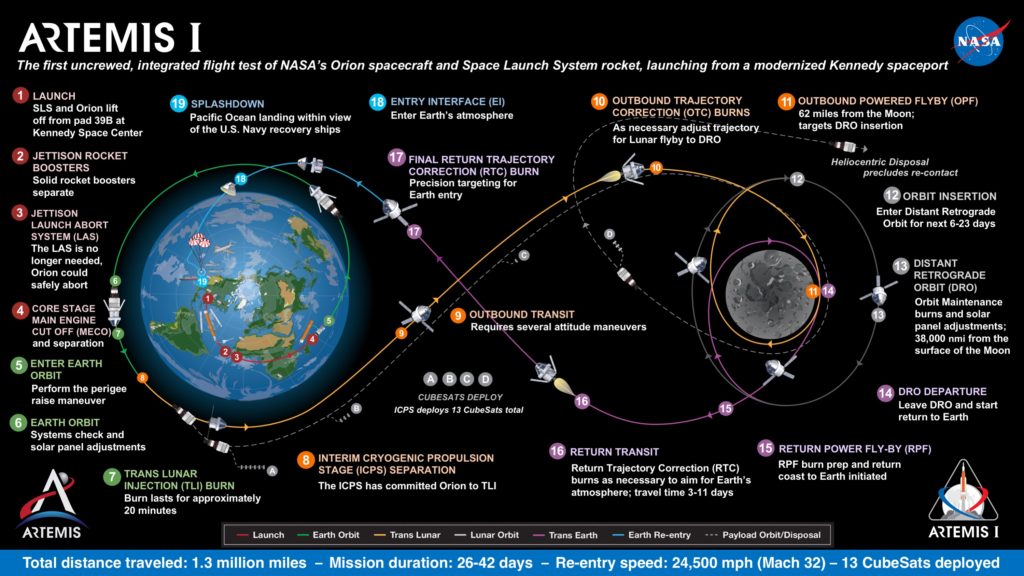
NASA Artemis Program

NASA is committed to landing American astronauts, including the first woman and the next man, on the Moon by 2024. Through the agency’s Artemis lunar exploration program, we will use innovative new technologies and systems to explore more of the Moon than ever before. We will collaborate with our commercial and international partners to establish sustainable missions […]

Continue Reading →

Copyright

Copyright 2010 by Dr Ugur GUVEN

Powered by WordPress / Academica WordPress Theme by WPZOOM