





Since the Industrial Revolution, coal—followed by oil and natural gas—has occupied the center of the global economy. Today, however, we stand on the threshold of a brand-new era. The economic power of nations is no longer measured solely by the energy resources they possess but also by their ability to access the critical raw materials used in high-tech manufacturing. Lithium, cobalt, nickel, graphite, and—above all—rare earth elements have become the most strategic natural resources of the 21st century. Indeed, current developments suggest that the conflicts of the future will play out not only over energy corridors but also at the mining sites where these critical minerals are extracted and the facilities where they are processed. Even U.S. President Donald Trump’s interest in acquiring Greenland was driven by the desire to secure these resources.
The proliferation of electric vehicles, the rapid expansion of renewable energy systems, and the surging energy demands of AI-powered data centers have pushed the demand for critical minerals to unprecedented levels. An electric vehicle utilizes vastly more lithium, copper, and rare earth elements than a conventional internal combustion vehicle.
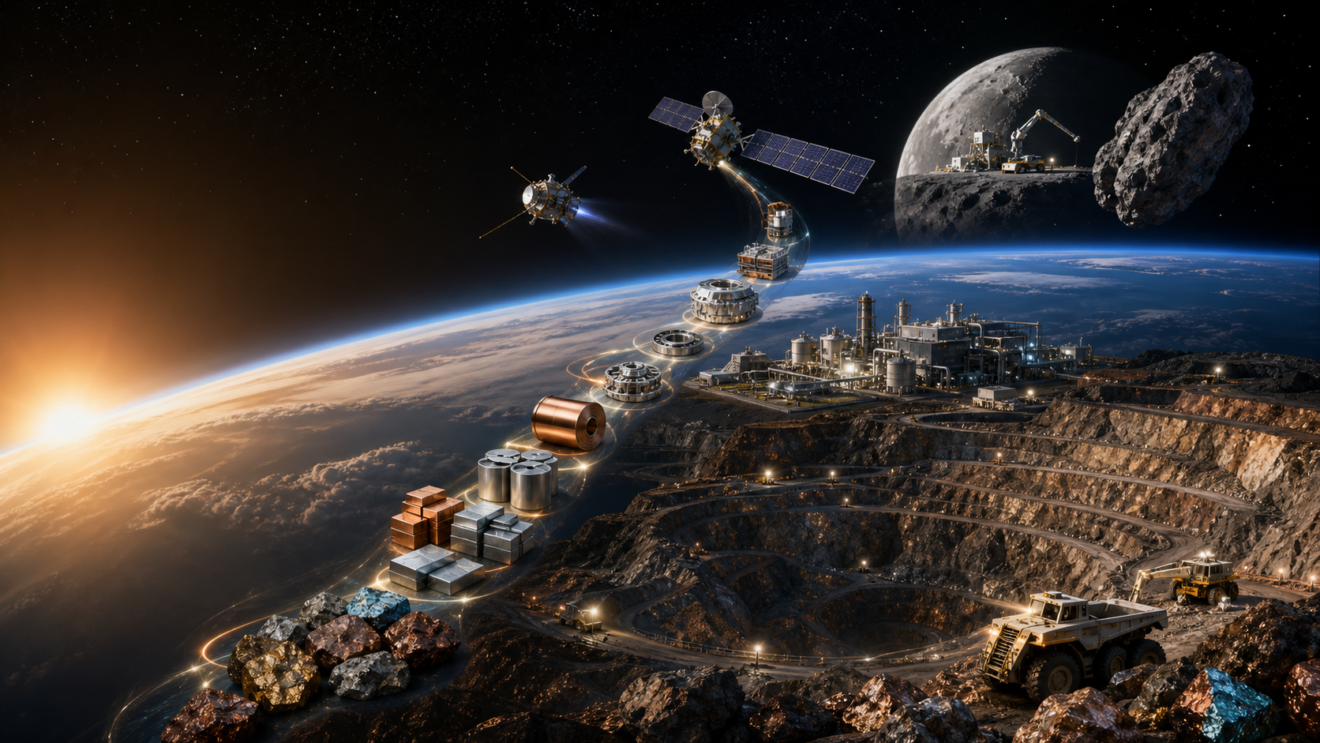
Wind turbines, high-efficiency solar panels, large-scale battery systems, and even the most advanced platforms in the modern defense industry cannot be manufactured without these raw materials. Even more noteworthy is the space sector’s growing reliance on these same minerals. Modern communication satellites, deep-space probes, ion thrusters, advanced radar systems, and high-performance sensors are made possible by rare earth elements, which offer a unique combination of lightness, durability, and superior magnetic properties. As space technologies advance, the strategic importance of critical minerals is rising not only on Earth but also beyond Earth’s orbit. For this reason, the United States, China, the European Union, and Japan are not merely seeking to discover new mines today; they are also making multi-billion-dollar investments in Africa, South America, and Asia to secure their supply chains. This is because the ability to process critical raw materials is just as important as possessing them.
A look at today’s global production chain reveals an interesting picture: while many critical minerals are extracted in various countries, China possesses immense capacity for refining them and transforming them into high-tech products. This situation creates a balance of power that is not only economic but also geopolitical. The concept of energy security now encompasses not just oil pipelines, but also lithium refineries and rare-earth element processing facilities.
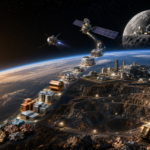
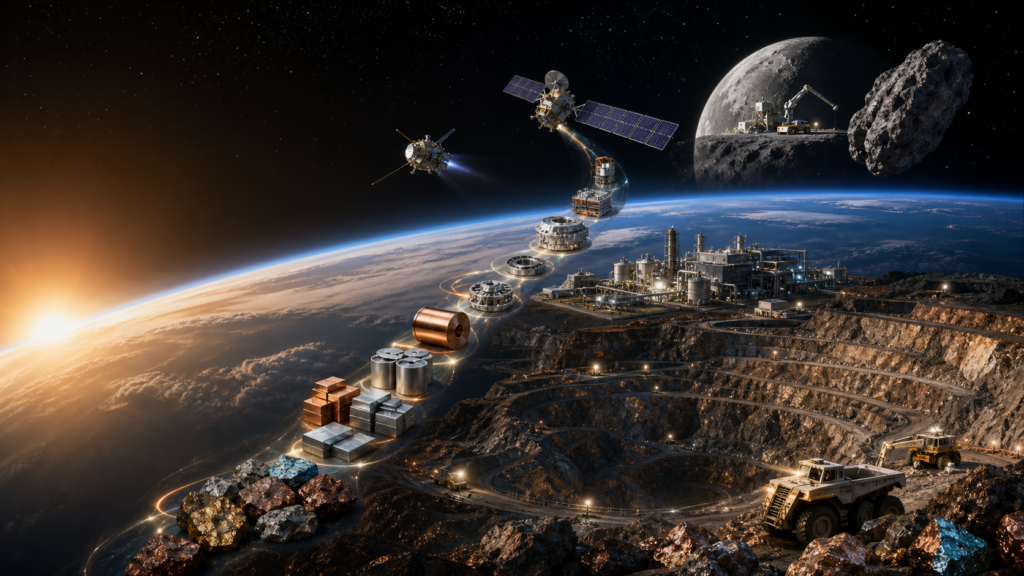
It would come as no surprise if this competition were to extend into space in the coming years. Helium-3 reserves on the lunar surface have long attracted the interest of scientists; should fusion technologies become commercially viable in the future, this element could elevate humanity’s energy capabilities to an entirely new level. Meanwhile, research into lunar and asteroid mining is gaining momentum. In particular, the notion of metal-rich asteroids serving as the strategic reserves of the future is moving beyond the realm of science fiction.
As the space economy expands, critical minerals will be obtainable not only from terrestrial mines but also from space-based resources. Consequently, investments in space programs represent more than just a quest for scientific prestige; they are increasingly viewed as investments in future energy and industrial security.
The role universities will play in this process is of vital importance. Mining engineers, materials scientists, energy engineers, and aerospace engineers must work toward the same goal. Future competition will not take place between disciplines but rather between the technologies that disciplines can produce collaboratively. Although the world may appear to be discussing critical raw materials today, the actual subject of the conversation is technological sovereignty. This is because possessing critical minerals signifies more than just economic power; it implies energy security, defense capabilities, space technologies, and even diplomatic influence. In the 21st century, a nation’s independence will be measured not only by its ability to defend its borders but also by its capacity to develop critical technologies using its own resources.









Add Comment