








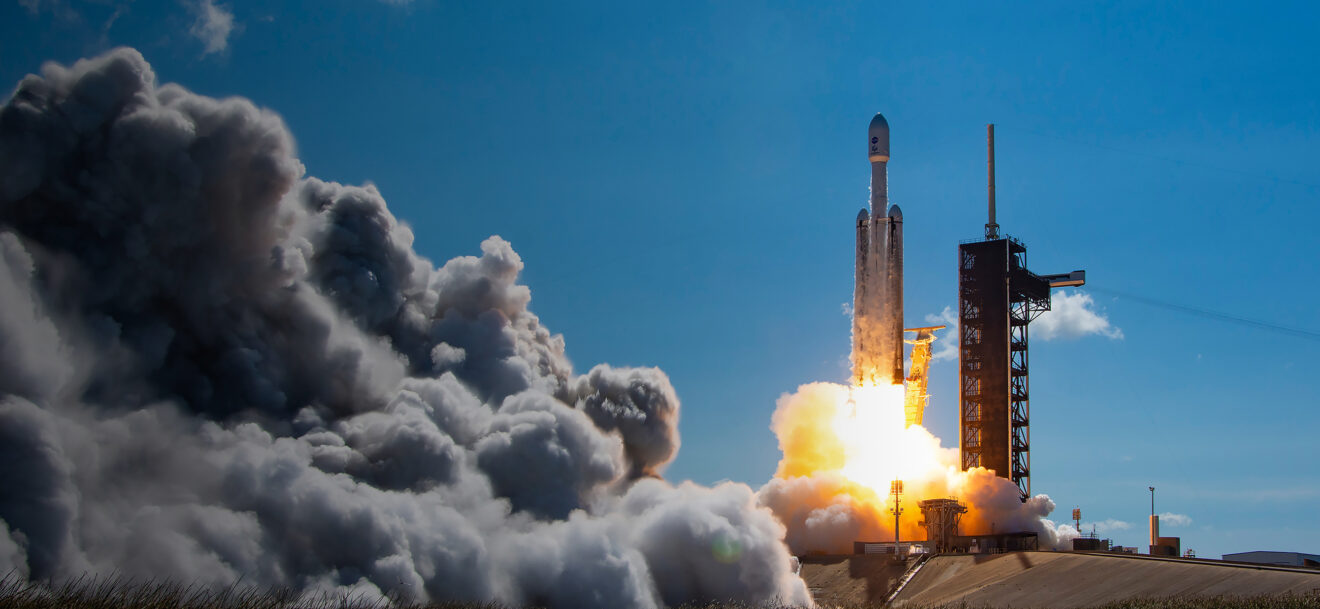

This page serves as a continuously updated database of upcoming and recent rocket launches conducted by SpaceX. The goal is simple: to provide a clear schedule of missions, vehicles, launch sites, and payloads so readers and enthusiasts can quickly understand what is happening in the modern space economy. Especially with improving rocket propulsion technology, rocket launches are becoming easier then ever.
SpaceX Rocket Launch Schedule (2026)
Below is a structured schedule of upcoming and recent missions conducted by SpaceX rockets. SpaceX launch dates can change depending on weather conditions, technical readiness, or orbital alignment.
Launch Date | Mission | Rocket | Launch Site | Payload / Purpose |
|---|---|---|---|---|
March 18, 2026 | Starlink Group 8-14 | Falcon 9 | Kennedy Space Center LC-39A | Deployment of Starlink internet satellites |
March 24, 2026 | Transporter-12 | Falcon 9 | Vandenberg SLC-4E | Multiple small satellites rideshare mission |
April 2, 2026 | CRS-32 | Falcon 9 | Kennedy Space Center | Cargo resupply mission to the ISS |
April 10, 2026 | Starlink Group 9-2 | Falcon 9 | Cape Canaveral SLC-40 | Broadband satellite deployment |
April 18, 2026 | Starshield Mission | Falcon 9 | Vandenberg | U.S. government satellite deployment |
May 2026 (TBD) | Starship Orbital Test | Starship | Starbase Texas | Next-generation heavy lift test flight |
May 2026 (TBD) | Crew-11 | Falcon 9 + Dragon | Kennedy Space Center | Astronaut transport to ISS |
Launch dates are often adjusted as orbital mechanics, range safety constraints, and payload readiness evolve.
SpaceX Rockets Used in These Missions
SpaceX currently operates two primary launch systems.
Falcon 9
 The workhorse of modern commercial spaceflight is the Falcon 9 rocket. It is a partially reusable launch vehicle capable of delivering more than 22,000 kg to low Earth orbit.
What makes Falcon 9 remarkable is its reusable first stage. After launch, the booster returns to Earth and lands vertically either on a droneship in the ocean or at a landing pad near the launch site. This innovation dramatically reduced launch costs and increased launch frequency.
Typical missions include:
Starlink satellite deployments
Commercial communication satellites
International Space Station cargo missions
Human spaceflight with the Crew Dragon spacecraft
Starship (Next Generation System)
The future of SpaceX launches revolves around Starship, a fully reusable heavy-lift rocket system designed for missions to the Moon, Mars, and deep space.
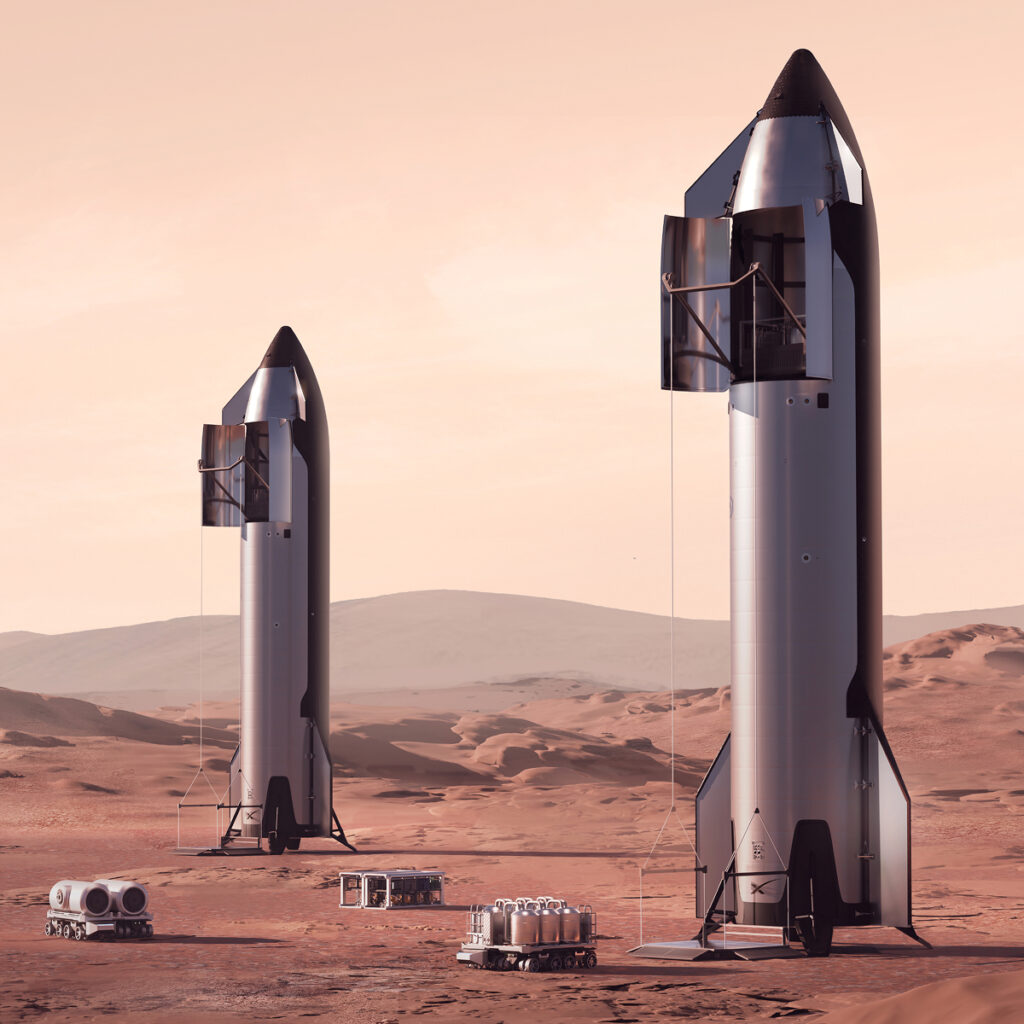 Starship is unlike any rocket built before. Constructed from stainless steel and standing over 120 meters tall when stacked with its Super Heavy booster, it is designed to carry more than 100 tons to orbit.
Planned uses include:
Large satellite deployments
Lunar missions for the Artemis program
Mars cargo transport
Global point-to-point travel concepts
If this system achieves routine reusability, the cost of reaching orbit could fall by an order of magnitude. That would transform not only space exploration but also telecommunications, Earth observation, and even planetary science.
Major SpaceX Launch Sites
SpaceX launches from several key locations in the United States.
Kennedy Space Center (LC-39A) – Historic launch pad once used by Apollo and the Space Shuttle, now supporting Falcon 9 crew missions.
Cape Canaveral Space Launch Complex 40 – One of the most frequently used launch pads for Falcon 9 missions.
Vandenberg Space Force Base (SLC-4E) – Used primarily for polar orbit missions and satellite deployments.
Starbase, Texas – The development site for the Starship rocket system.
Each site supports different orbital trajectories depending on mission requirements.
Why Launch Schedules Matter
Tracking rocket launches is no longer a niche hobby for space enthusiasts. Launch schedules have become valuable information for several industries.
Satellite operators monitor launches to understand when new constellations will enter orbit. Investors track them to evaluate the growth of the commercial space sector. Students and researchers follow missions to study how rapidly launch technology is evolving.
For example, the number of launches conducted by SpaceX each year has increased dramatically. A decade ago, a dozen launches per year was considered impressive. Today, SpaceX performs launches at a pace approaching one mission every few days.
That shift is quietly transforming the global space economy.
The New Era of Frequent Launches
Humanity is entering a strange and fascinating period in technological history. For most of the Space Age, rockets were rare events broadcast like global spectacles. Now they are becoming infrastructure.
Reusable rockets, mass satellite constellations, and commercial launch providers are turning space access into something closer to aviation. Instead of a few missions per year, the future may involve hundreds or even thousands.
And when that happens, something subtle but profound occurs. Space stops being an extraordinary destination and begins to feel like another frontier of industry, science, and exploration.
The launch schedule above is therefore more than a calendar. It is a glimpse into a civilization learning how to operate beyond its home planet.







Add Comment